
- Politics
- Trump India Pakistan Ceasefire
- By Manohar Patil
Donald Trump and the India-Pakistan Ceasefire: A Diplomatic Intervention
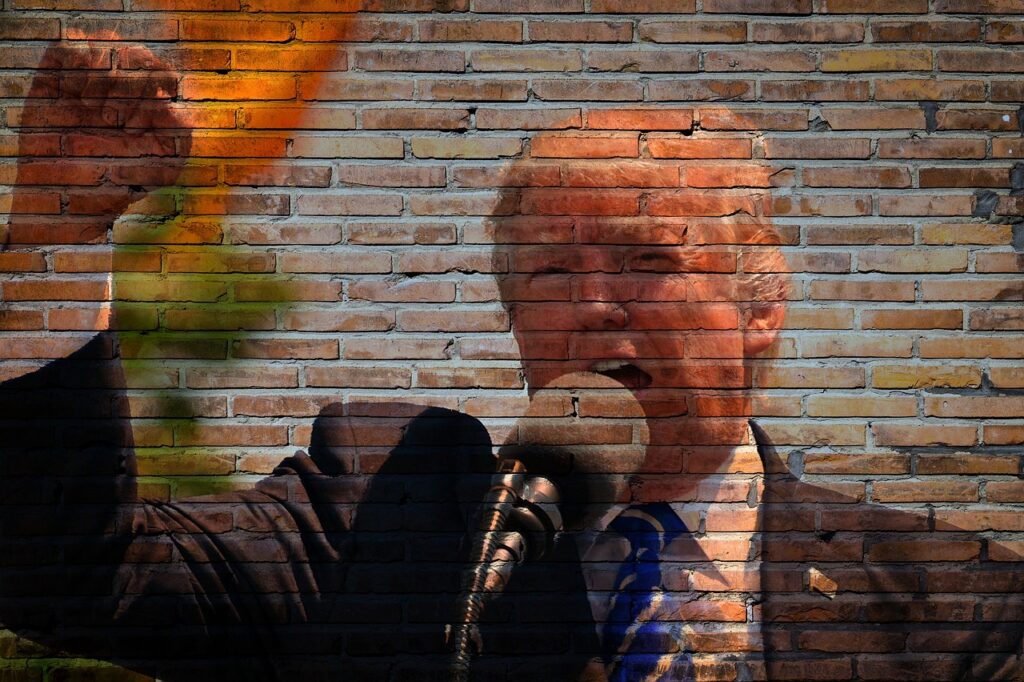
Following a period of heightened tensions and military exchanges, particularly in the aftermath of the Pahalgam terror attack and India’s subsequent Operation Sindoor, a ceasefire agreement between India and Pakistan was announced. This development occurred with reported diplomatic engagement from the United States, with the former President publicly claiming a role in brokering the truce.
The Escalation of Tensions
In early May 2025, a deadly terror attack in Pahalgam led to a sharp increase in hostilities between India and Pakistan. India retaliated with military actions, codenamed Operation Sindoor, targeting what it described as terror infrastructure across the border. This resulted in a tense standoff, with concerns raised internationally about the potential for further escalation between the two nuclear-armed neighbors.
A Ceasefire Announcement
On May 10, 2025, a significant development occurred when the guns fell silent. The announcement of a “full and immediate ceasefire” was made via a social media post by the former President. He stated that this agreement was reached after a “long night of talks mediated by the United States,” congratulating both nations for their “common sense and great intelligence.”
Differing Accounts of Mediation
While the former President highlighted the U.S.’s mediating role, official statements from India emphasized that the ceasefire understanding was a result of direct communication between the Director Generals of Military Operations (DGMOs) of the two countries. India’s Foreign Secretary confirmed that the Pakistani DGMO had initiated contact, leading to a mutual agreement to cease all firing and military action along the land, air, and sea borders, effective from the evening of May 10th.
Pakistan's Acknowledgement
In contrast to India’s stance on bilateral talks, Pakistan’s Prime Minister acknowledged the former President’s “leadership and proactive role for peace.” He expressed appreciation for the United States in “facilitating this outcome,” stating that Pakistan had accepted the ceasefire in the interest of regional peace and stability. Pakistan’s Foreign Minister also confirmed the ceasefire agreement, emphasizing Pakistan’s consistent desire for regional peace without compromising its sovereignty.
The Path Forward and Geopolitical Context
The swift agreement to a ceasefire, regardless of the exact nature of external mediation, provided a crucial pause in the escalating tensions. The former President also expressed a desire to work with both nations on resolving the Kashmir issue, a long-standing point of contention. However, the differing narratives surrounding the U.S.’s role underscore the delicate geopolitical dynamics at play. While the immediate crisis appeared to be de-escalated, the underlying issues between India and Pakistan remained complex, and the sustainability of the ceasefire would depend on continued dialogue and commitment from both sides.
Share this Article
WhatsApp
LinkedIn
Telegram
Email
Get Daily Updates to Your Inbox
Subscribe to News Letter
Advertisement
